
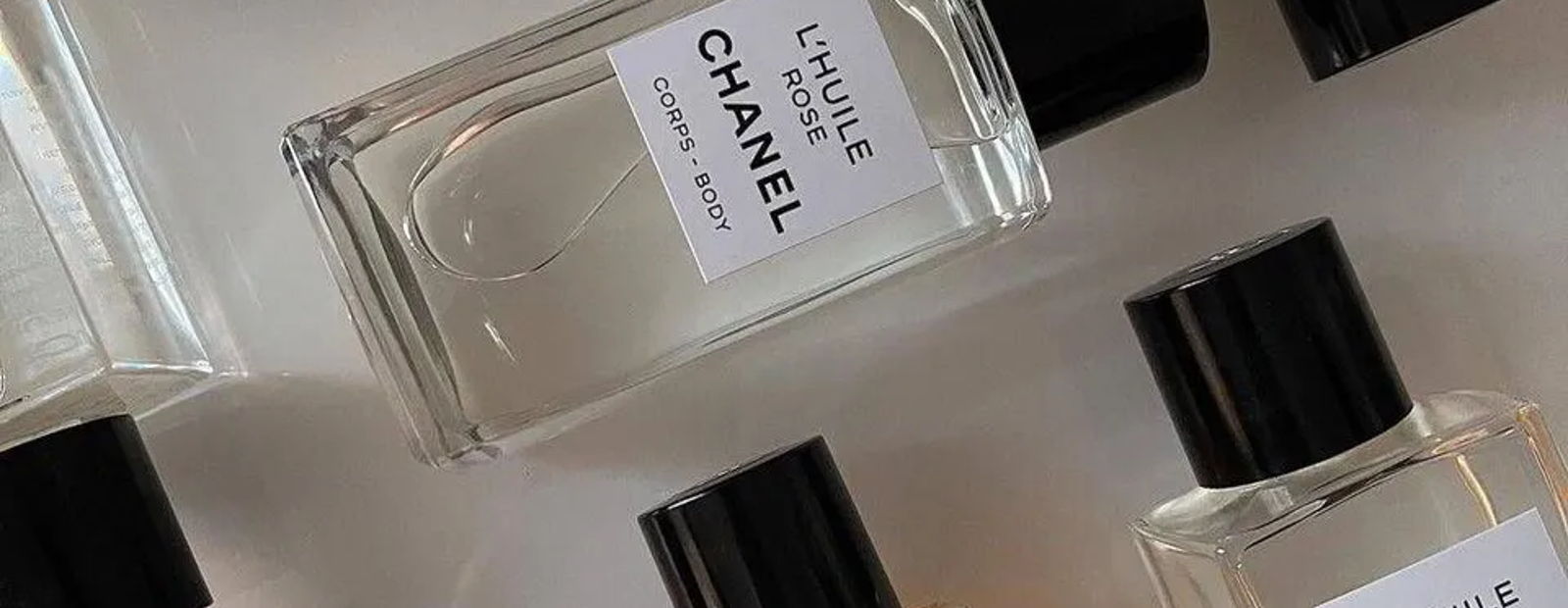
Okay so we all love to smell divine, but at what cost? Fragrance (and not just perfume) contains chemicals known as EDCs or Endocrine Disrupting Chemicals that are known to impact both male and female fertility.
What are EDCs?
EDCs are chemicals that interfere with the body's hormonal system and are found in many everyday products such as plastics, pesticides, fragrances and cosmetics. Exposure to endocrine disruptors has been linked to decreased sperm quality and quantity in men, menstrual cycle irregularities and reduced fertility in women with possible links to PCOS, endometriosis and fibroids. A 2020 review of 14 studies found that exposure to endocrine disruptors was associated with decreased fertility in women, and increased risk of infertility, endometriosis early menopause, and reproductive cancers.
Impact of EDCs on Fertility
EDCs have been linked to multiple reproductive health issues but when it comes to fertility here are the big ones:
✨Menstrual cycle irregularities (disrupted steroidogenesis or hormone production)
✨Higher miscarriage rates
✨Lower fertilization and embryo implantation rates
✨Decreased number of high-quality embryos in assisted reproductive technology (ART) pregnancy.
Where are EDCs Found?
Bisphenol A (BPA): Used in plastics, food and drink containers, and thermal paper receipts. BPA exposure during a woman’s reproductive years has been shown to compromise embryo implantation.
Parabens - Found in cosmetic, skincare, and beauty products. Shampoo, conditioner, moisturizer, face cleaner, sunscreen, deodorant, and toothpaste; can all contain parabens. Most common parabens: methylparaben, propylparaben, butylparaben, and ethylparaben.
Phthalates: Used in plastics, personal care products, “fragrance”, and some pharmaceuticals.
Pesticides (Organophosphate pesticides) - We most commonly associate pesticides with food, but they can be found in body oils, essential oils, and cocoa butter too.
Sulfates - chemicals used as cleansing agents. They can be found in household cleaners and even shampoo.
Perfluorooctanoic acid (PFOA): Used in non-stick cookware, waterproof clothing, and stain-resistant fabrics.
Polybrominated diphenyl ethers (PBDEs): Used as flame retardants in electronics, furniture, and building materials.
Dioxins: Produced during industrial processes and can be found in animal products, especially fatty fish.
Polychlorinated biphenyls (PCBs): Formerly used in electrical equipment and now found in some older building materials, as well as some fish and other animal products.
How Do I Reduce my Exposure to EDCs?
BPA - Choose glass containers for storage and especially heating products
Opt for email receipts (that ink of paper recipes is full of BPA)
Limit canned food or find BPA and BPS-free cans
Parabens - use platforms like https://www.ewg.org/skindeep/ to find better alternatives to shampoo, conditioner, moisturizer, face cleaner, sunscreen, deodorant, toothpaste, etc.
Phthalates - Store food in glass when possible, and transfer food to non-plastic dishes for eating or storage if you get takeout.
Review the ingredients of your skincare, cosmetics, and other beauty products. Reduce use of products that list added fragrances.
Pesticides - If you can, opt for organic produce, body oils, and related products whenever possible.
Wash fruits and veggies on the “dirty dozen list” before eating them.
Sulfates - Choose “sulfate-free” cleaning, skincare, cosmetic, and other beauty products whenever possible.
Choosing EDC-Free Options
This can be an overwhelming process, so I recommend replacing the highest touch point items first:
laundry detergent
All-purpose cleaner
body wash/lotion
any scented room sprays, car or room fresheners
And then as other items run out, I recommend replacing them with cleaner/low EDC options.
Resources for finding EDC-free alternatives!
My Favourite Fertility Friendly Products
Household Products - The Unscented Company
Skincare - Harlow (bonus: local and low waste), Ilia, RMS, W3LL People, Glo
Deodorant - Routine, Native
Clothing - choose bamboo or organic cotton undergarments (I love Huha)
Hair Care - Rahua, Acure, Phillip Adam
Perfume (alcohol and essential oil) - 7 Virtues
Remember that the impact is dose-dependent so reducing your exposure (even a little bit) makes a positive impact on your fertility!

About the Author
Dr. Liza Klassen, ND
A fertility-focused ND who bridges the medical and emotional aspects of fertility, recognizing that the journey to conception is not solely clinical but also deeply personal. She is passionate about helping her patients achieve and maintain healthy pregnancies whether natural or assisted and works collaboratively with reproductive endocrinologists and ART team to deliver high-quality & efficacious care.